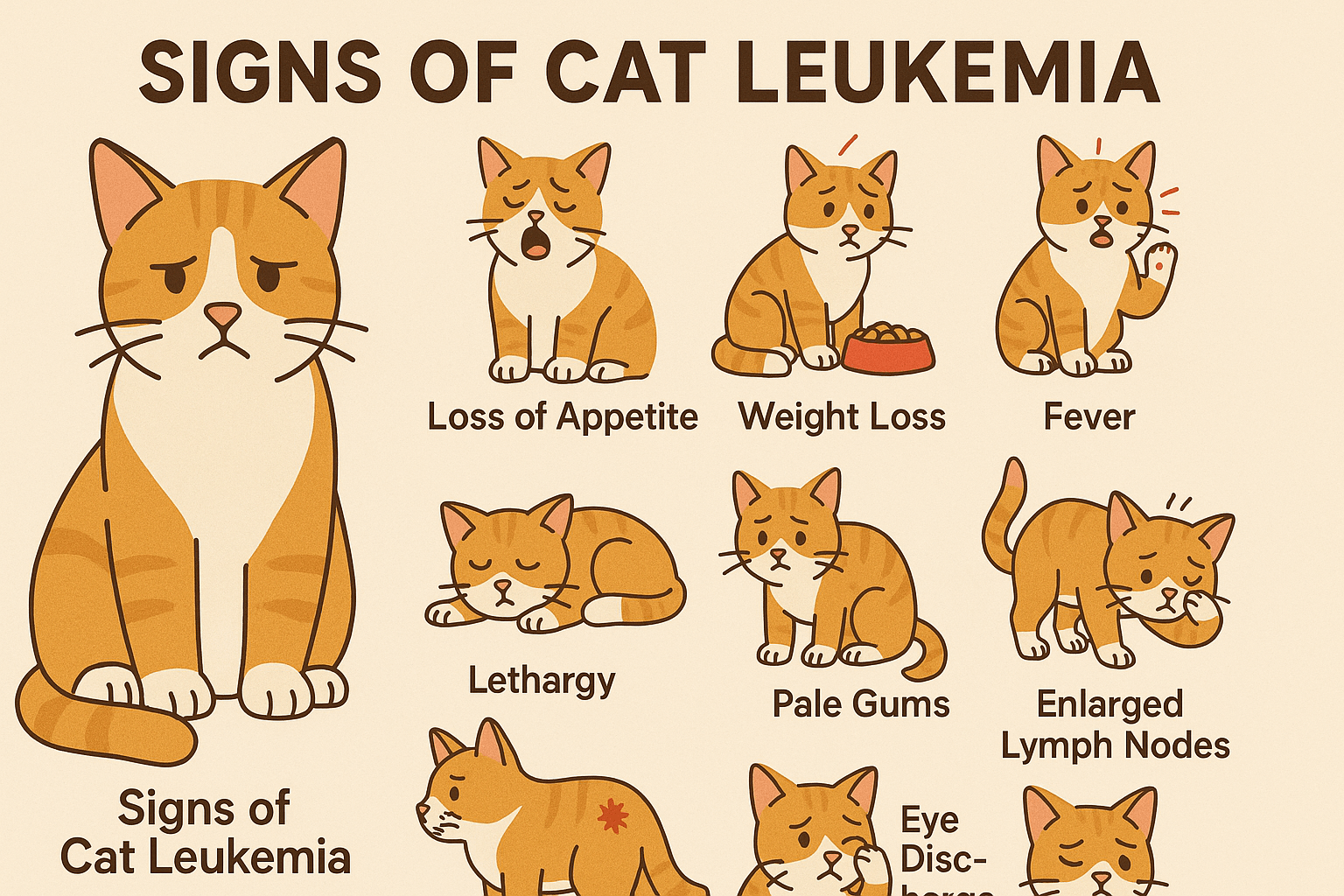
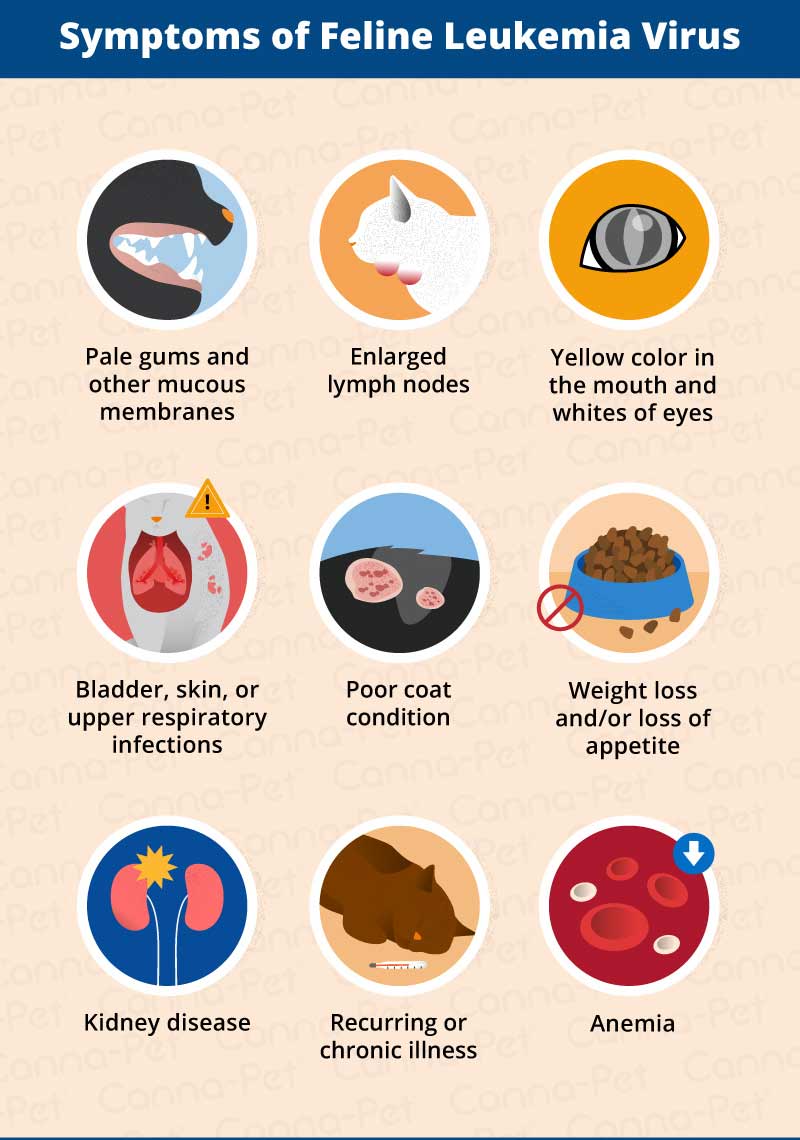
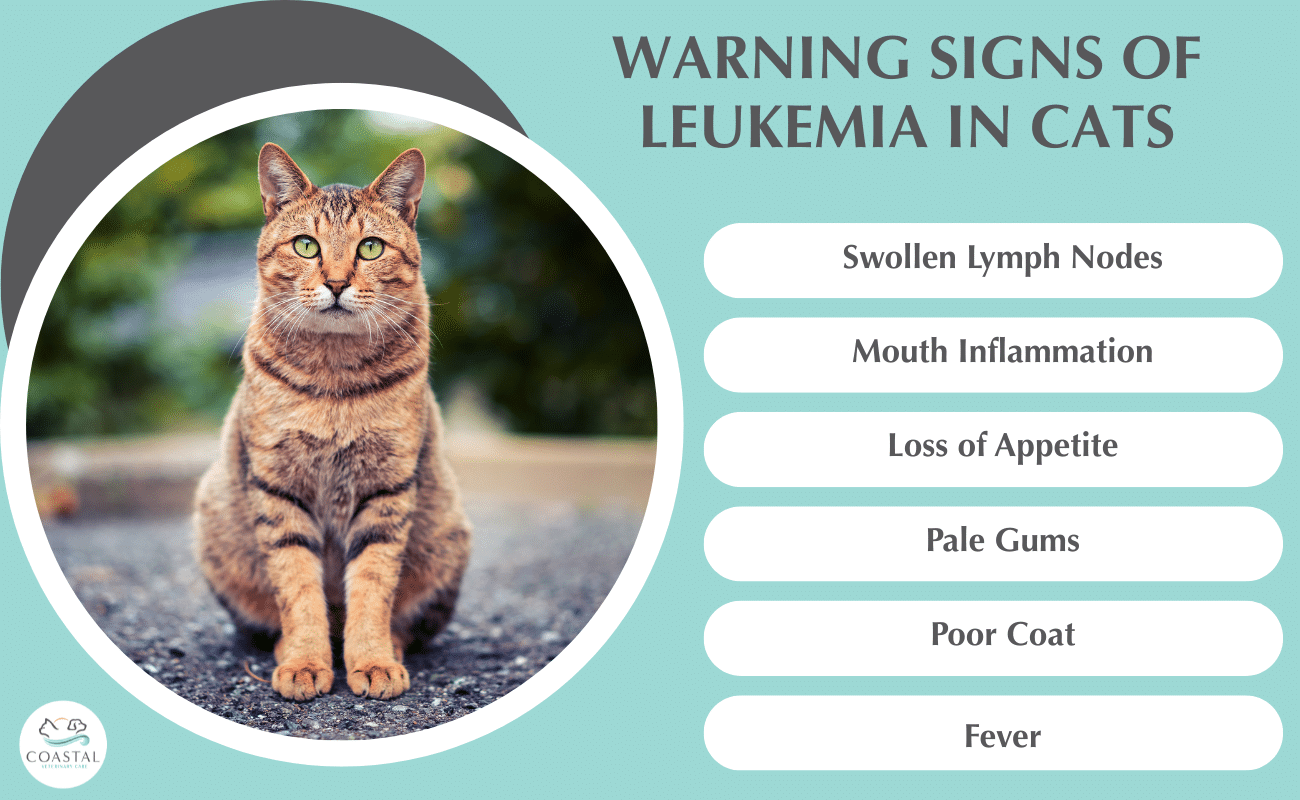
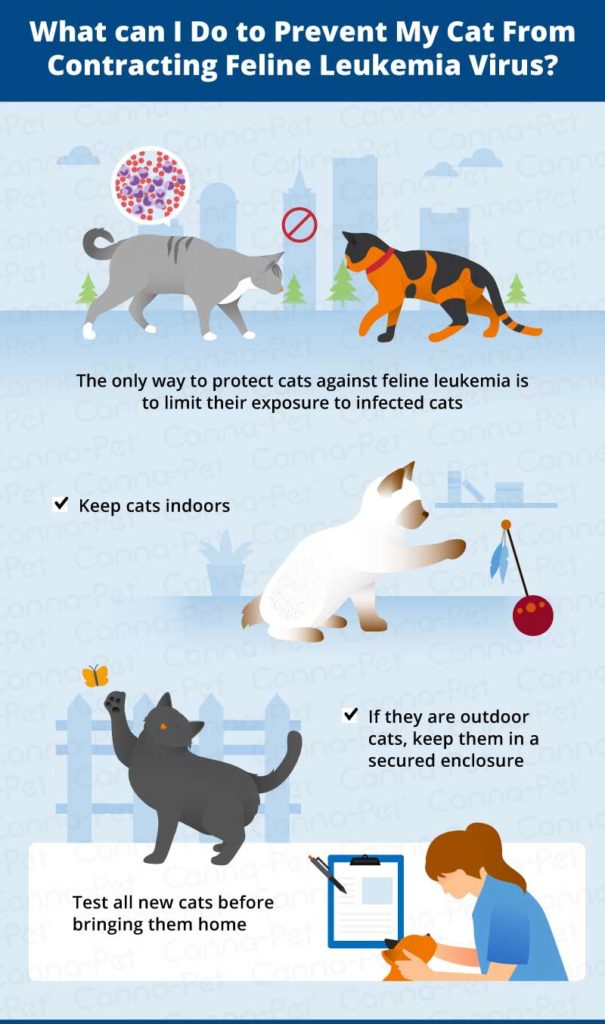
Feline leukemia (or FeLV) is the leading viral killer of cats. It weakens the immune system, increases susceptibility to other diseases, causes blood disorders and is the most common cause of cancer in cats. Symptoms Feline leukemia is sneaky. Cats may have no signs during early stages, and then over weeks, months or even years, health may progressively deteriorate. Or, an FeLV-positive cat ...
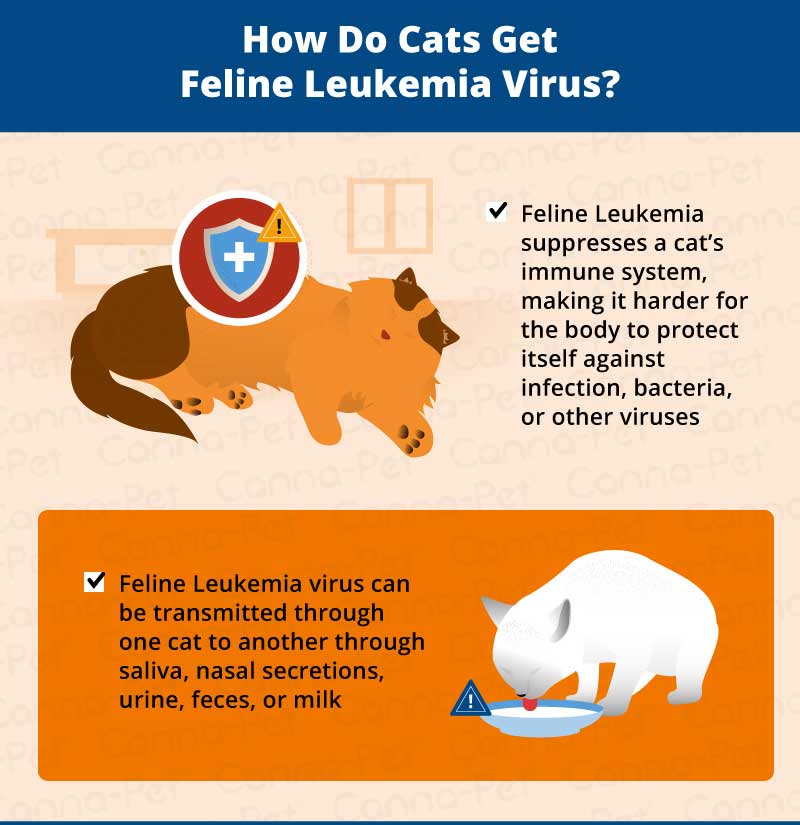
Feline leukemia virus adversely affects the cat's body in many ways. It is the most common cause of cancer in cats, it may cause various blood disorders, and it may lead to a state of immune deficiency that hinders the cat's ability to protect itself against other infections.

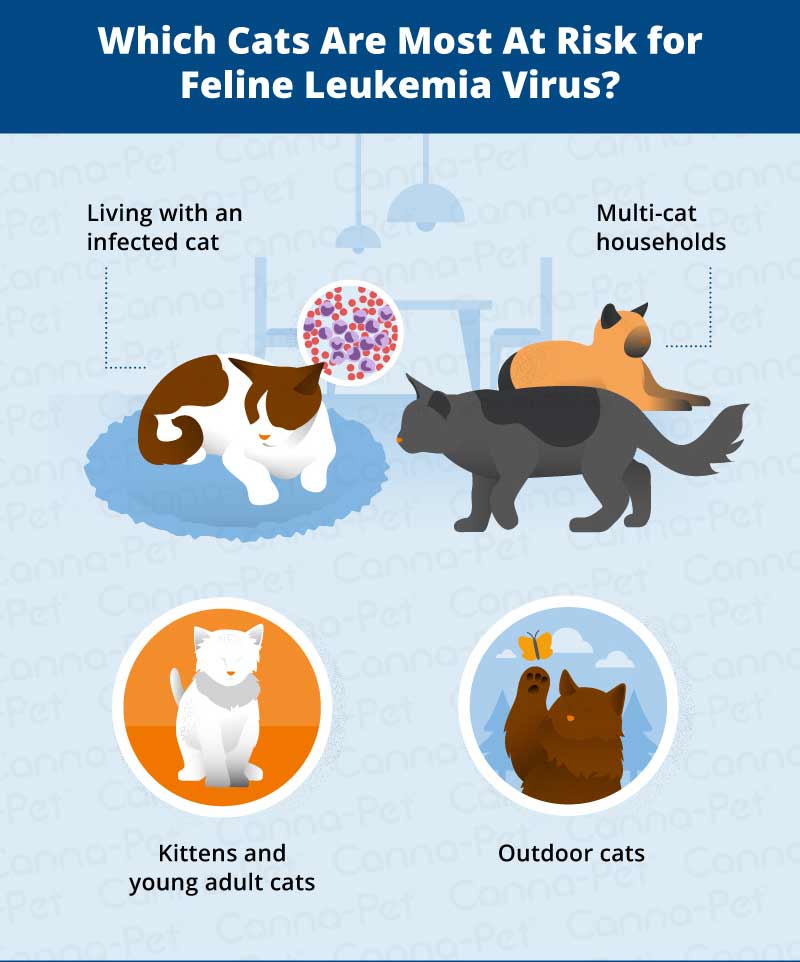
Healthy older cats are normally immune to the virus. All cats are susceptible to feline leukemia but few develop the disease, so that only 1-2 cats in 100 have feline leukemia. Kittens less than four months old are susceptible, but healthy mature cats appear to be immune.
This particular example perfectly highlights why Leukemia In Older Cats And Hormonal Imbalances is so captivating.
Lymphoma or leukemia in cats: causes, possible conditions, diagnostic procedures, and treatment options.

Such details provide a deeper understanding and appreciation for Leukemia In Older Cats And Hormonal Imbalances.
In older adults, acute myeloid leukemia (AML) and chronic lymphocytic leukemia (CLL) are most common. Symptoms can include weight loss, fatigue, night sweats, easy bruising, and frequent infections.