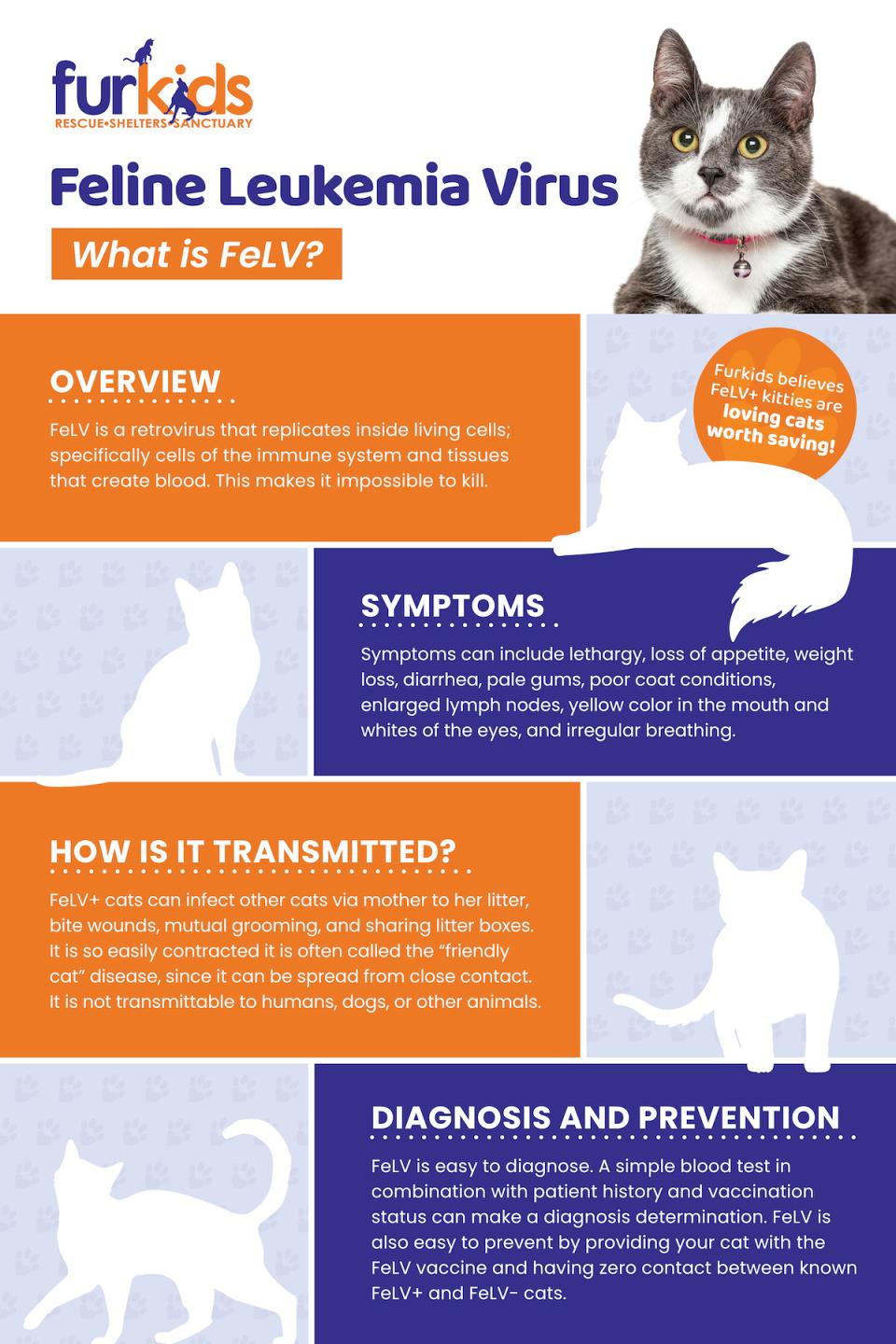
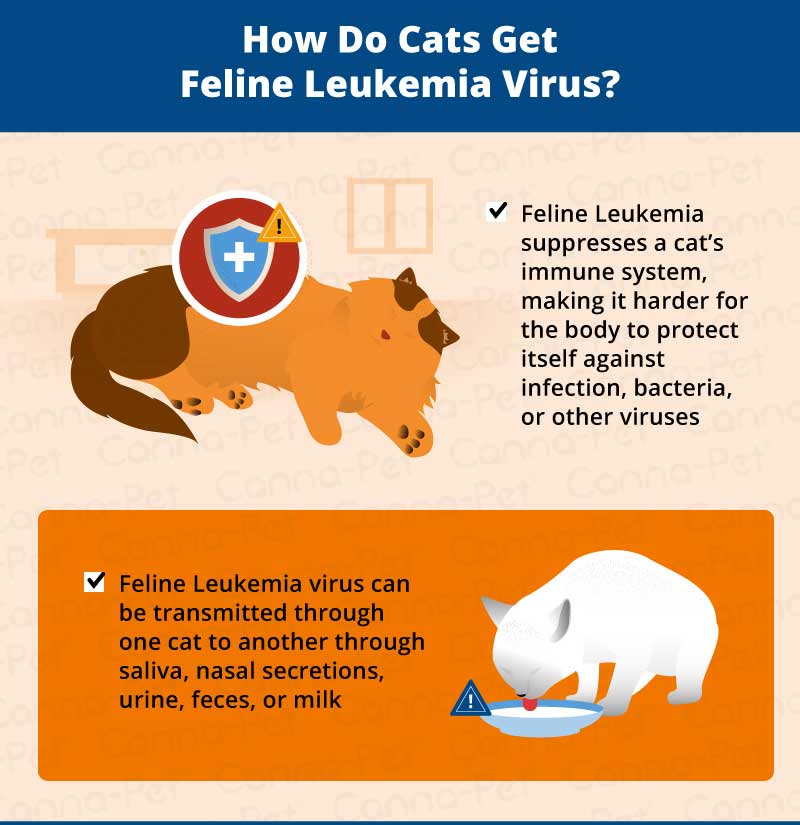
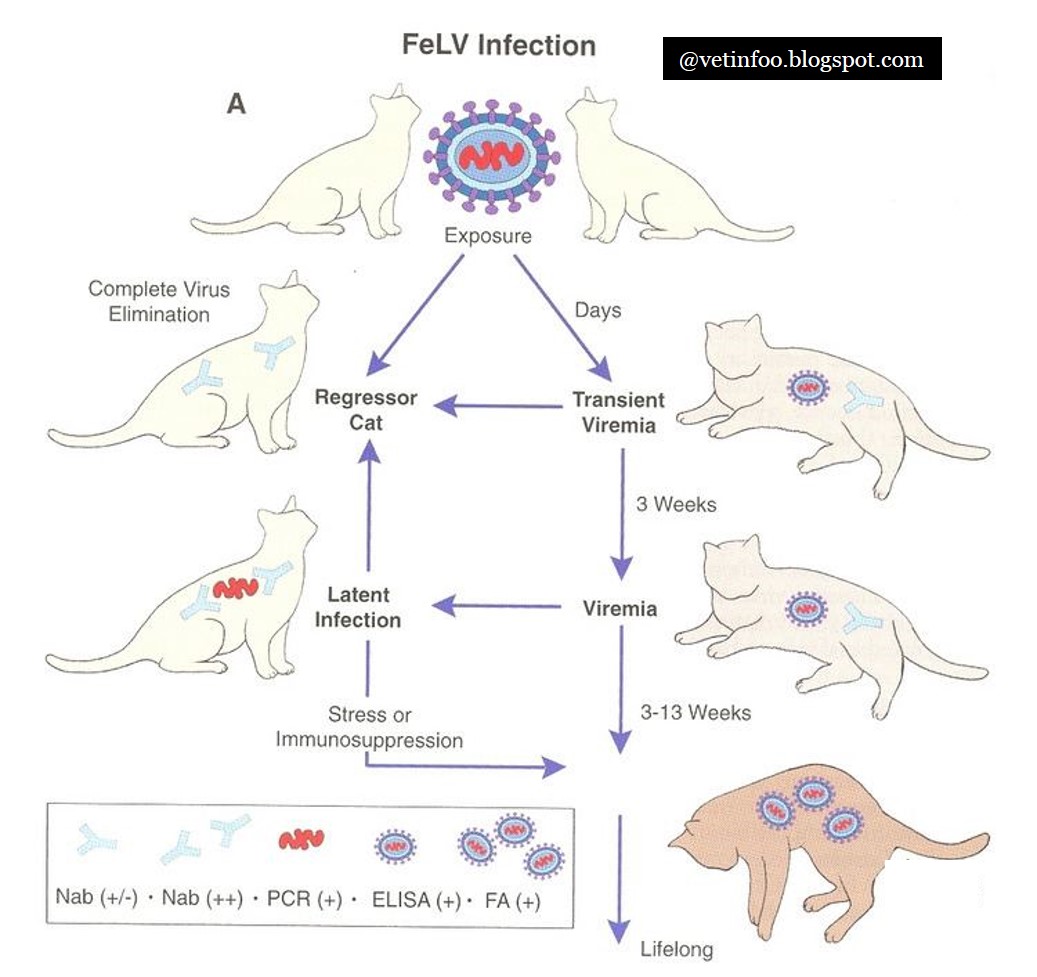
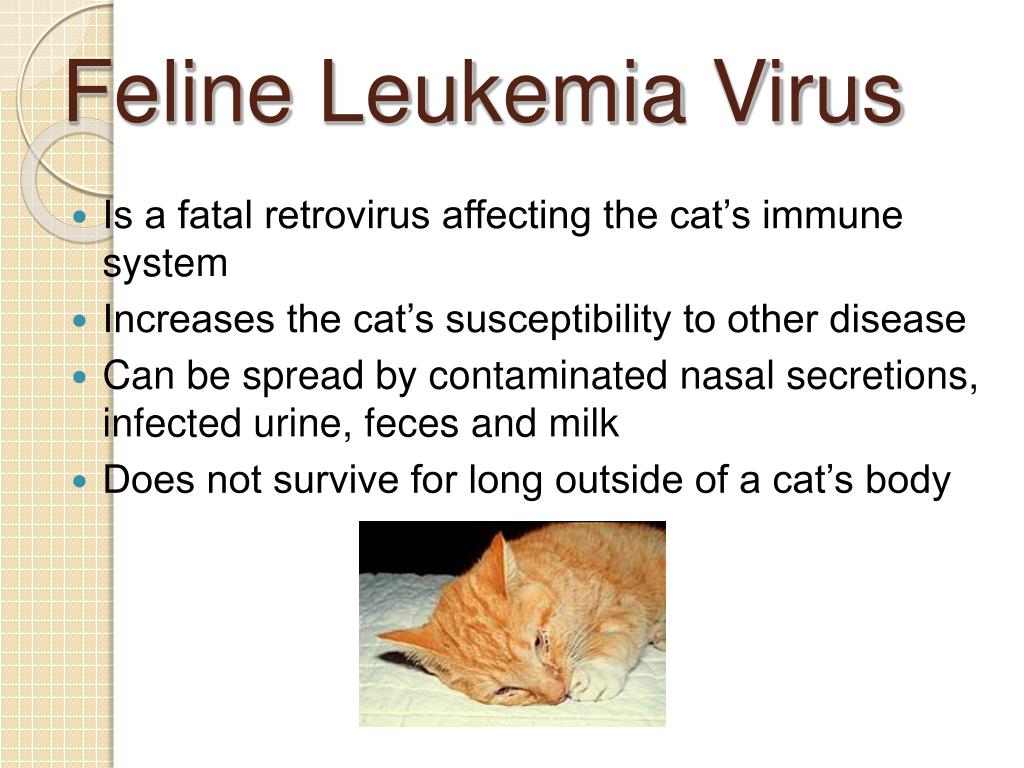
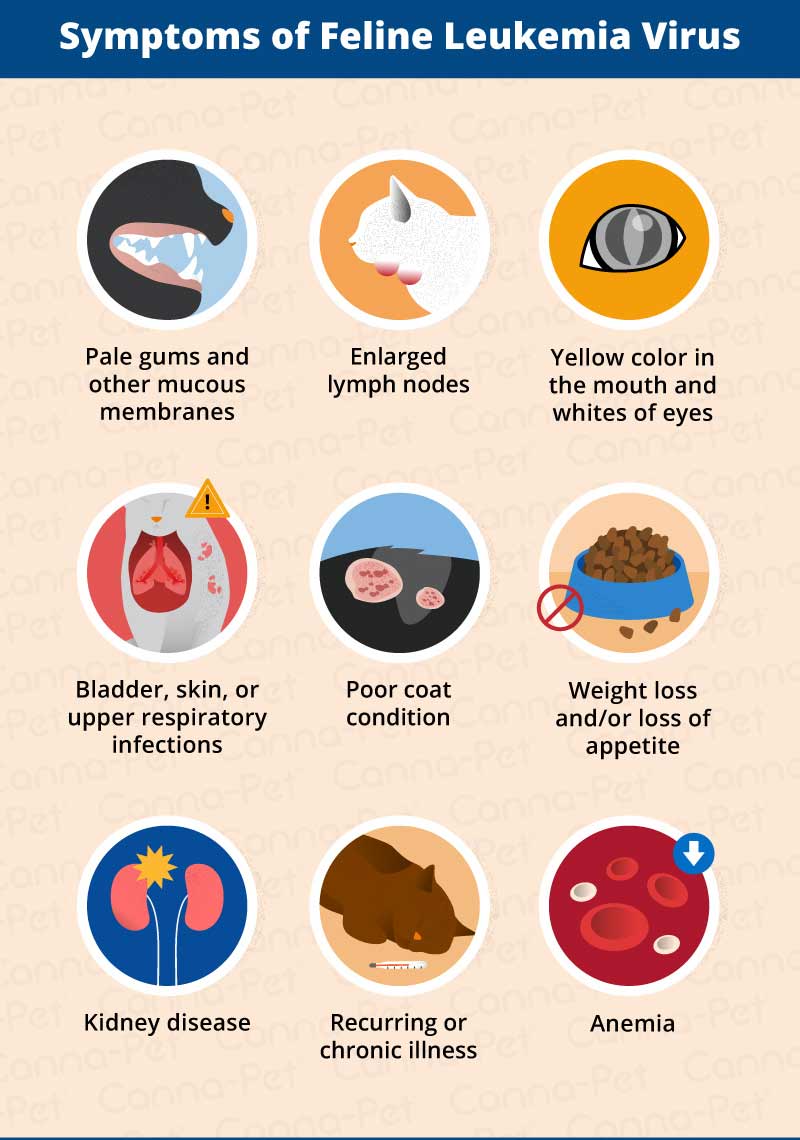
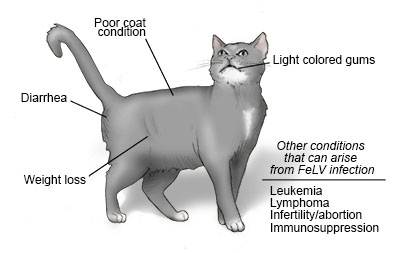
Feline leukemia virus is a retrovirus that infects cats. FeLV can be transmitted from infected cats when the transfer of saliva or nasal secretions is involved.
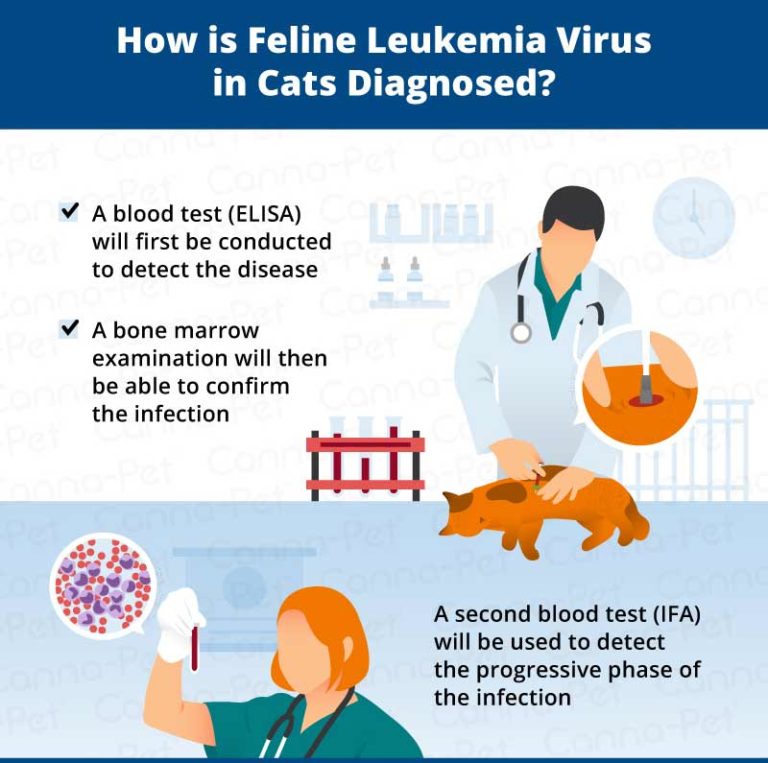
Diagnosing Feline Leukemia Virus. Your veterinarian can diagnose the disease by conducting a simple blood test called an ELISA, which identifies FeLV proteins in the blood. This test is highly sensitive and can identify cats with very early infections.

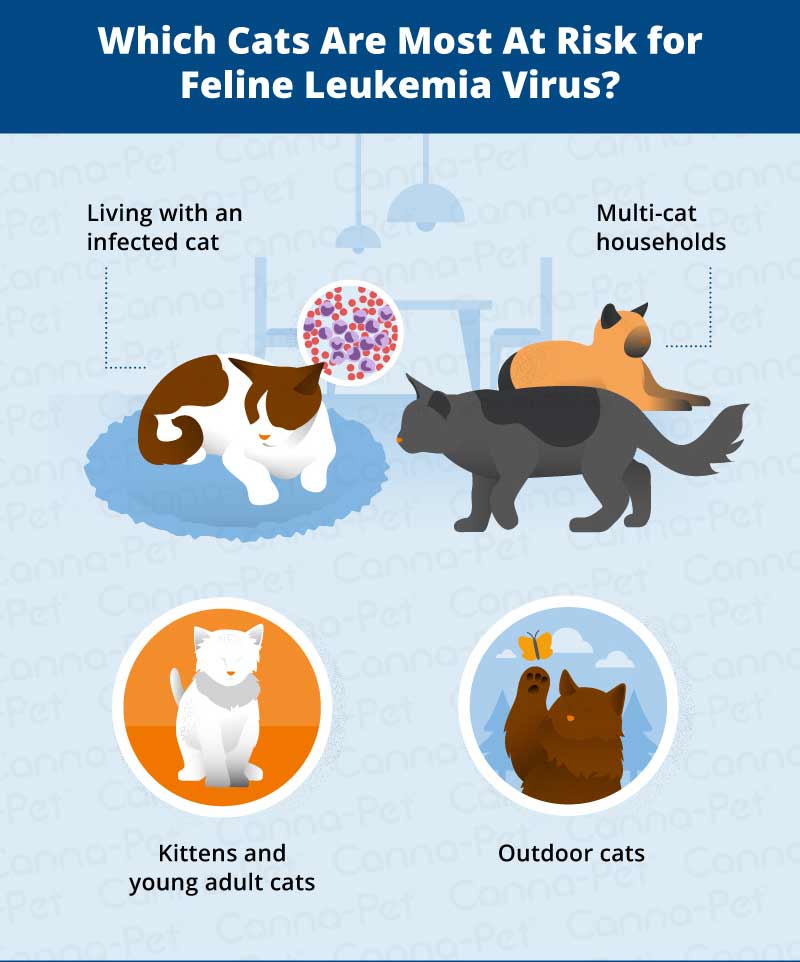
Feline leukemia virus (FeLV) is one of the most common infectious causes of disease of cats globally.Test cats 30 days after most recent risk of exposure. Test cats considered at risk with an unknown infection status: Regularly test cats that are spending time free-range outdoors.
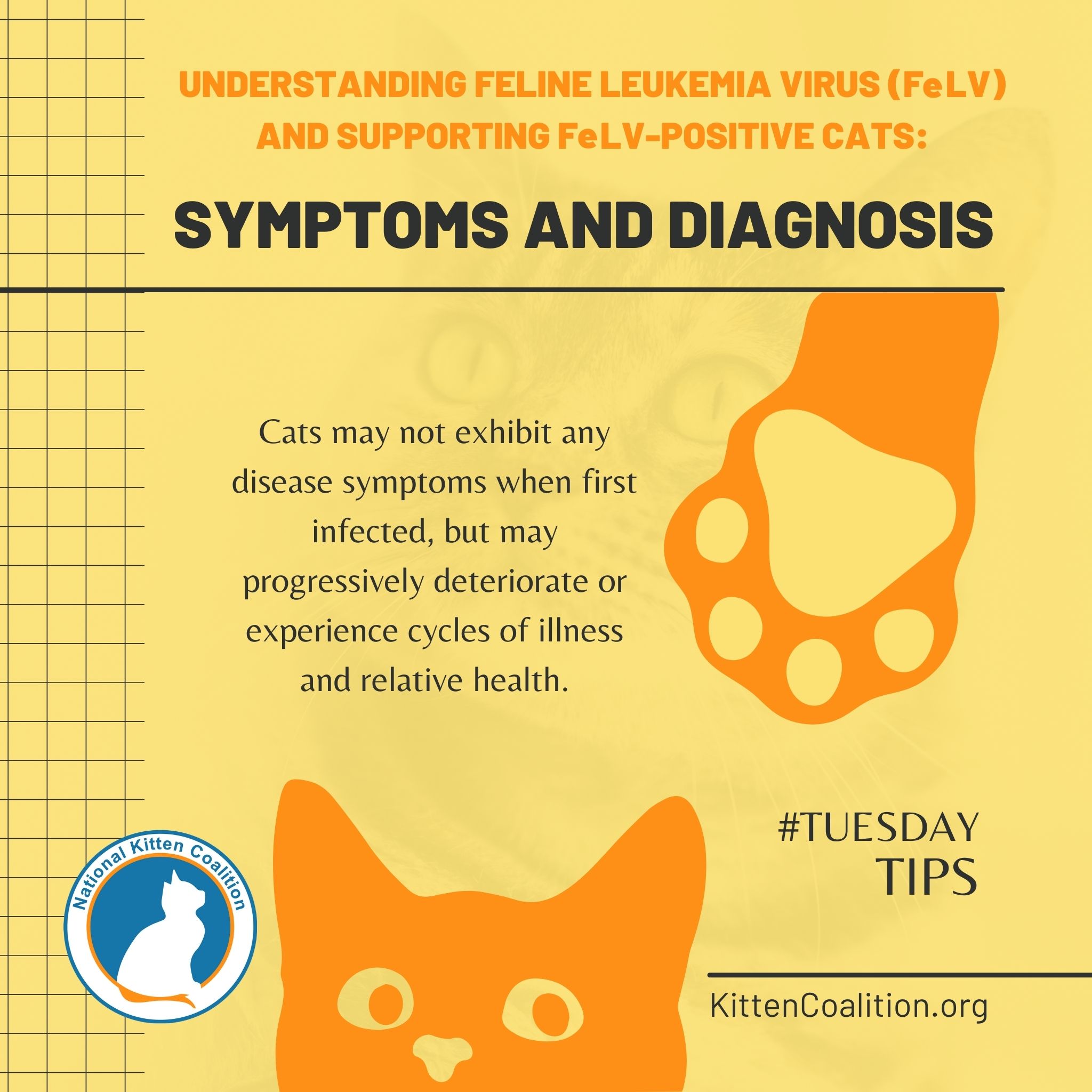
As we can see from the illustration, Feline Leukemia Virus Disease In Cats By Age Range has many fascinating aspects to explore.
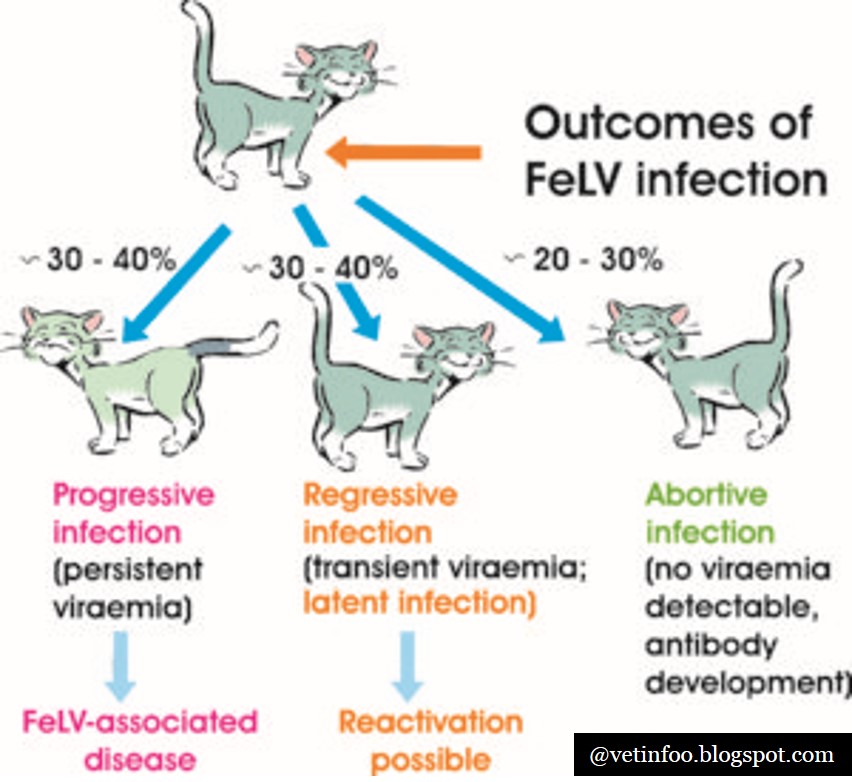
Feline leukemia virus (FeLV) is an agent that spreads easily between cats and has potentially lethal effects, causing a variety of secondary diseases that range from secondary infections to cancer.

Background- Feline leukemia virus (FeLV) is a retrovirus related to murine leukemia virus that has existed among feral cats for tens of thousands of years before its discovery in 1964 (Jarrett, et al., 1964).
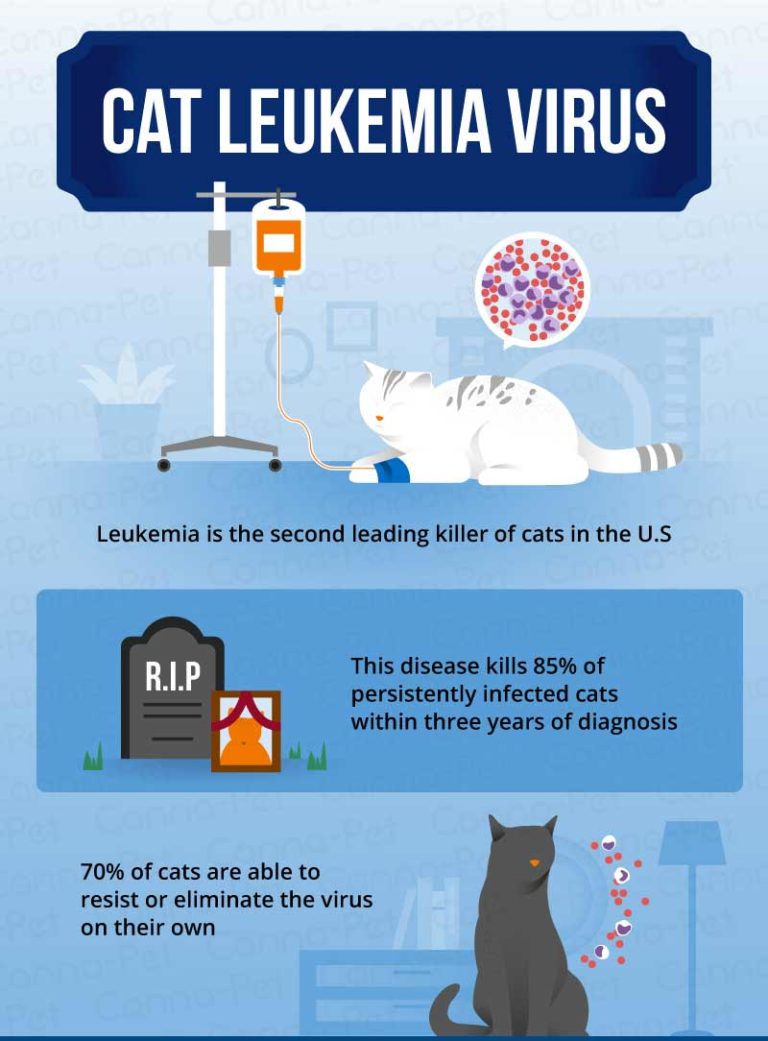
FeLV is the leading cause of disease and death in cats, and FIV is also very dangerous to a cat's health. Mollie of Grady Veterinary Hospital shares what you...