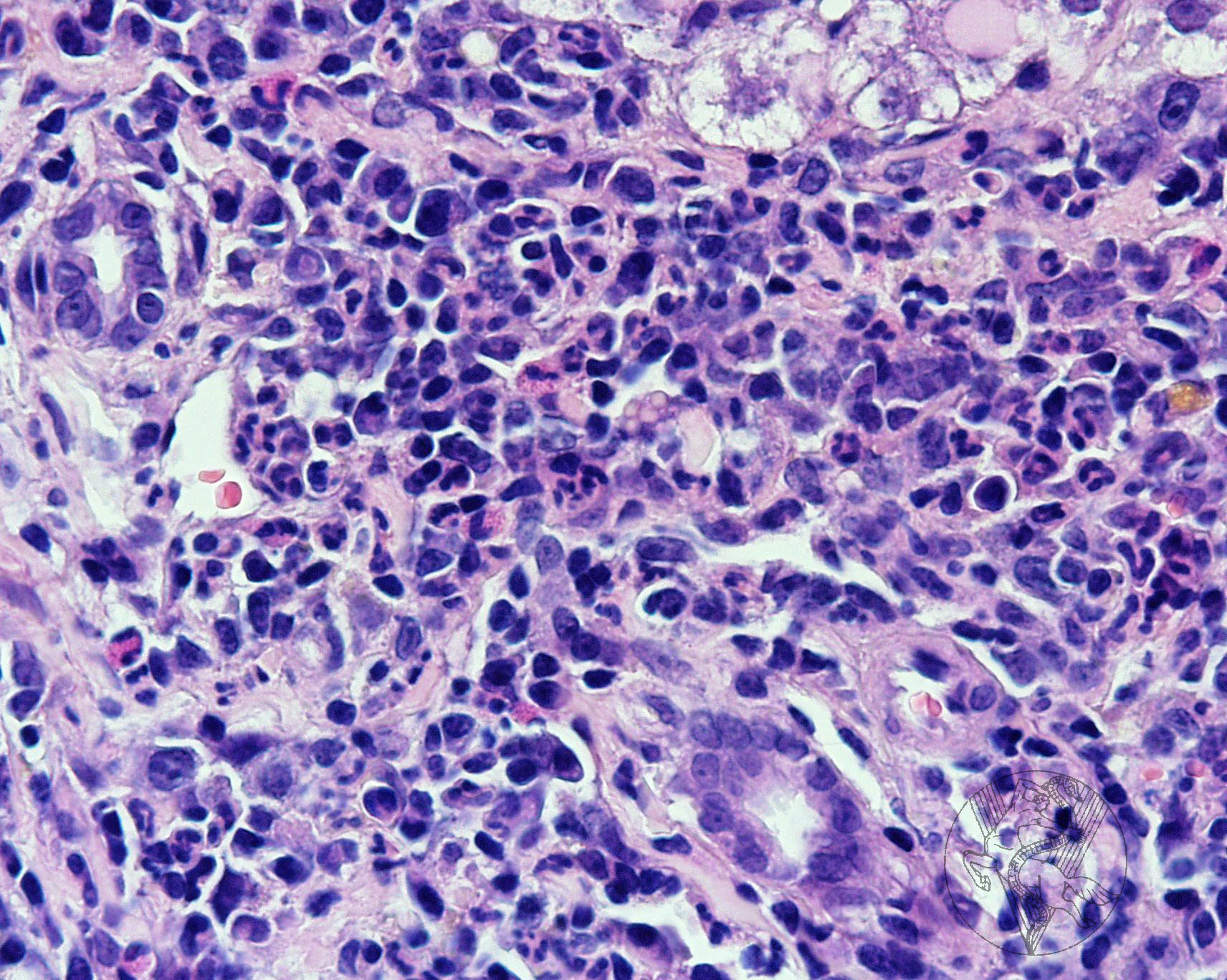
The clinical, clinicopathological and pathological findings in three cats with hypereosinophilic syndrome are described. The cats chosen for the study had marked eosinophilia and evidence of tissue infiltration by eosinophils. Necropsies were ...
Veterinary guide 2025: learn causes, diagnosis & care for hypereosinophilic syndrome in catssupport your feline with informed, compassionate vet advice.
hypereosinophilic syndrome was diagnosed in three cats with refractory dermatitis and marked hypereosinophilia. The cats were treated with imatinib mesylate, a tyrosine-kinase inhibitor at the oral dose of 5 mg per cat. In all three cases, a dramatic improvement was rapidly observed.

Such details provide a deeper understanding and appreciation for Feline Hypereosinophilic Syndrome.
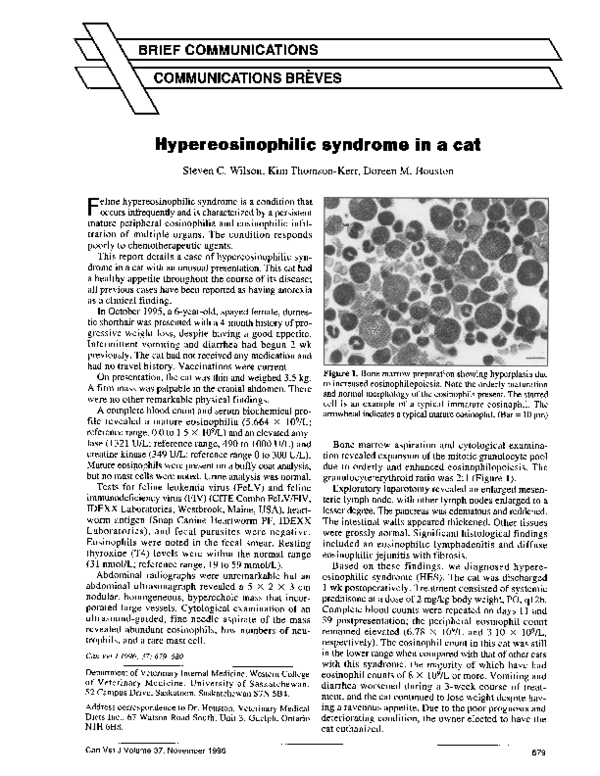
This paper outlines the presentation, treatment and postmortem findings of a feline patient diagnosed with suspected hypereosinophilic syndrome with cardiac involvement. Although hypereosinophilic syndrome is well described in human literature, there is a lack of case reports describing cardiac involvement in veterinary patients.
Hypereosinophilic Syndrome in Cats: An In-Depth Look What is hypereosinophilic syndrome in cats? Its a complex disorder characterized by an abnormally high number of eosinophils, a type of white blood cell, infiltrating various organs, leading to inflammation and organ damage; specifically, the syndromes defining feature is hypereosinophilia coupled with evidence of organ involvement.

Such details provide a deeper understanding and appreciation for Feline Hypereosinophilic Syndrome.
A diagnosis of feline hypereosinophilic syndrome was made. Despite starting glucocorticoids, the firstline treatment of eosinophilic inflammatory diseases, the disease progressed.
A feline hypereosinophilic syndrome is proposed, consisting of eosinophilic enteritis, disseminated eosinophilic disease, and eosinophilic leukemia.