- Dog seizure disorders: Learn about the common signs, causes, and medical treatments available for managing seizures in dogs and ensuring their well-being.View now ... Learn about the causes of constipation in dogs, how to treat it, and when to see your dogs vet.View now ... Written by Sarah Amandolare, Jeffrey Weishaupt, Kristin MitchellMedically Reviewed by Amy Flowers on Why can't dogs eat grapes?
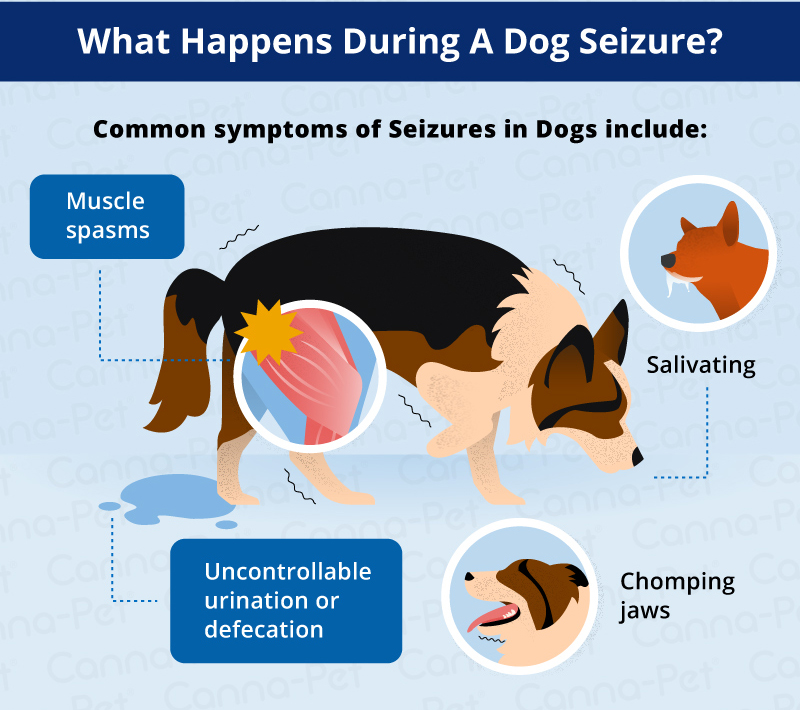
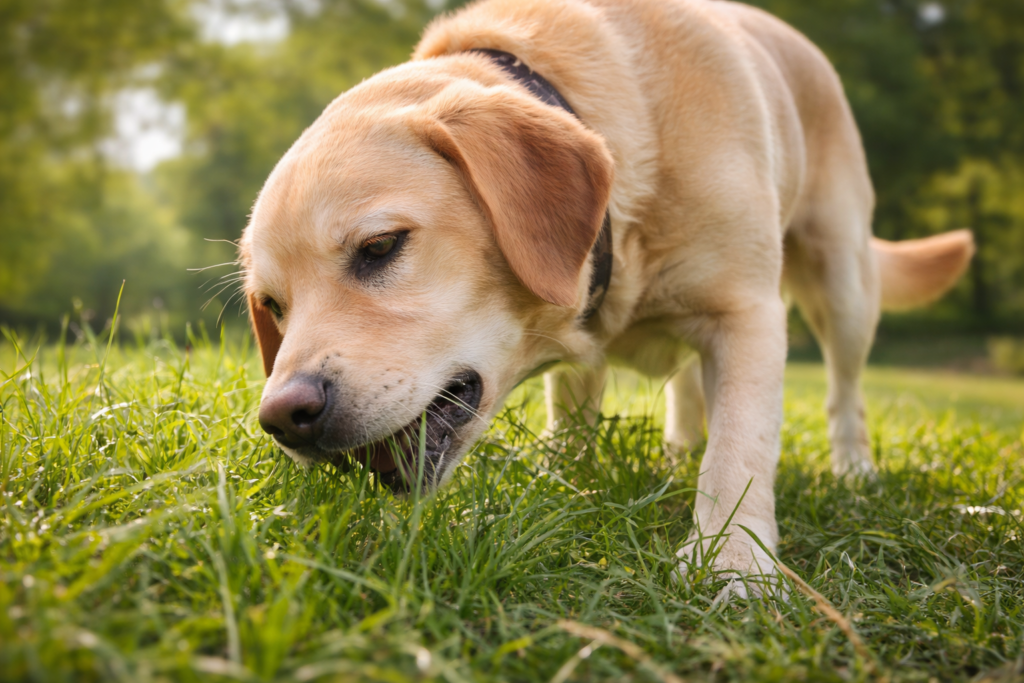
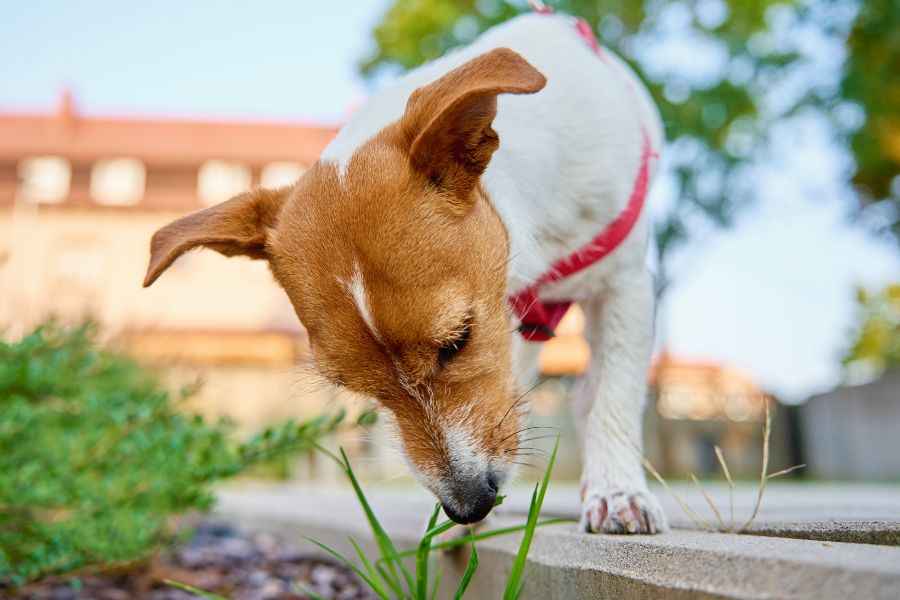
- Grass treated with herbicides, pesticides, or fertilizers can be genuinely toxic to dogs. If your dog has eaten treated grass, watch for: excessive drooling, vomiting or diarrhea, difficulty breathing, tremors or seizures, and extreme fatigue.

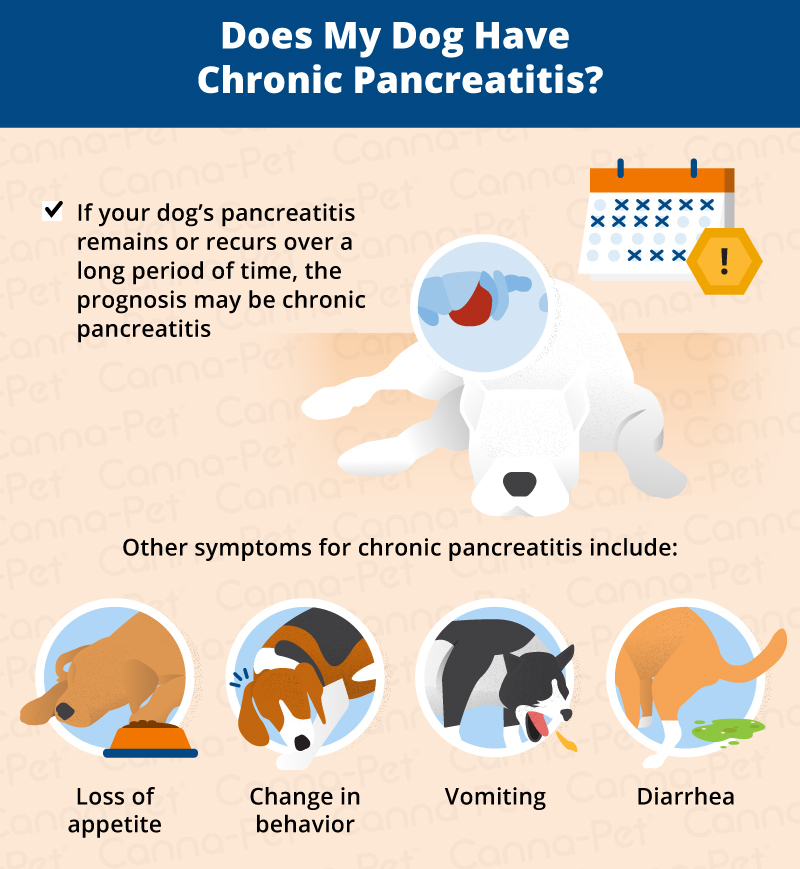
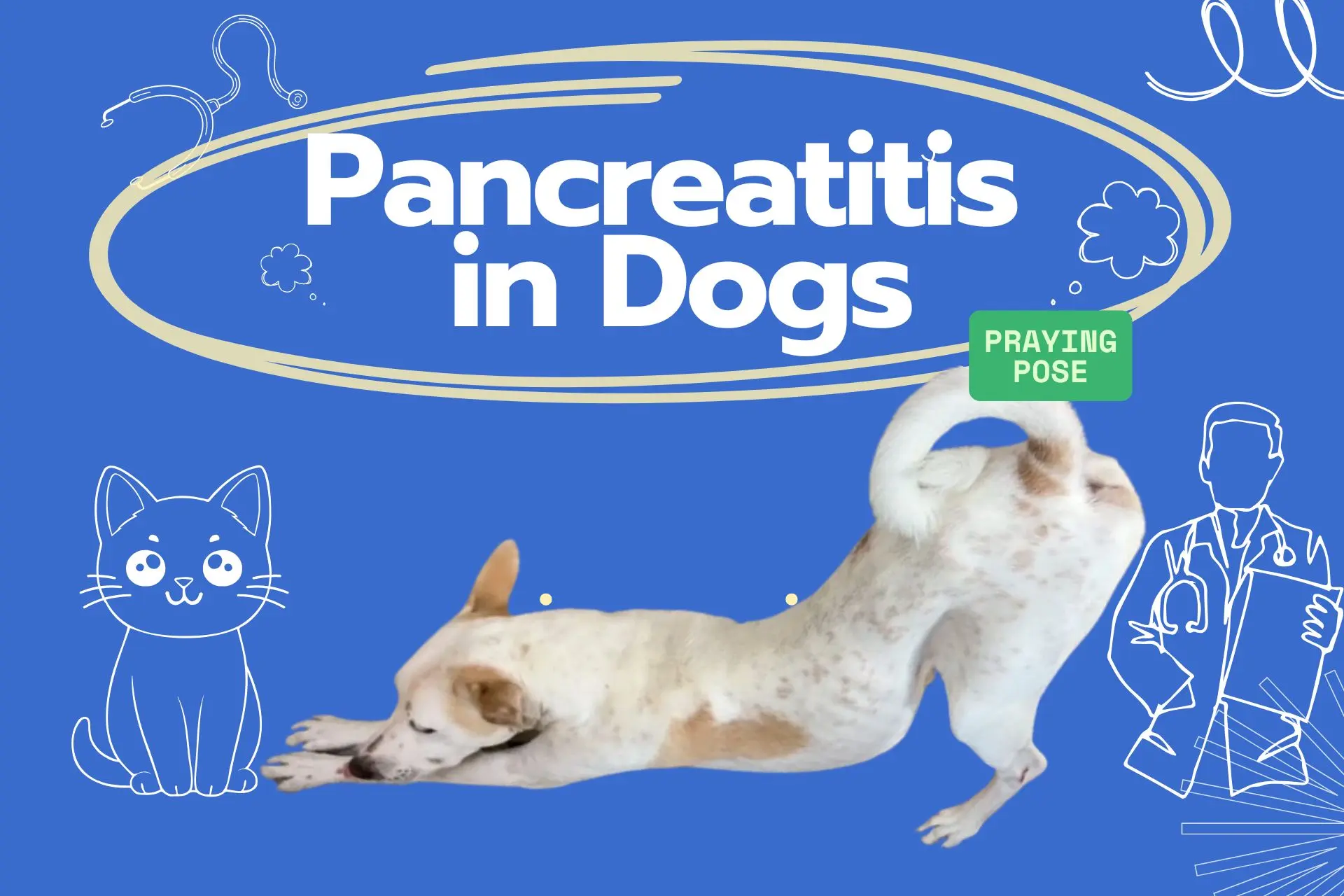
- The use of certain medications can increase the risk of canine pancreatitis. These include: Immunosuppressive drugs like azathioprine. Medications used to treat seizures in dogs, like phenobarbital and potassium bromide. Antibiotics like sulfonamides and tetracycline. Certain diuretics (medications to help remove excess fluid from the body).

Such details provide a deeper understanding and appreciation for Excessive Grass Eating Causing Pancreatitis In Seizure Response Dogs.
The dog had also begun to vomit a clear foamy material on the previous day, thought to have occurred after eating grass. She had progressively worsening inappetance and was not drinking water. These latter signs began 4 d previously after the dog had been at a lake and had subsequently been bathed with a flea (pyrethroid permethrin) shampoo for the 1st time.

This particular example perfectly highlights why Excessive Grass Eating Causing Pancreatitis In Seizure Response Dogs is so captivating.