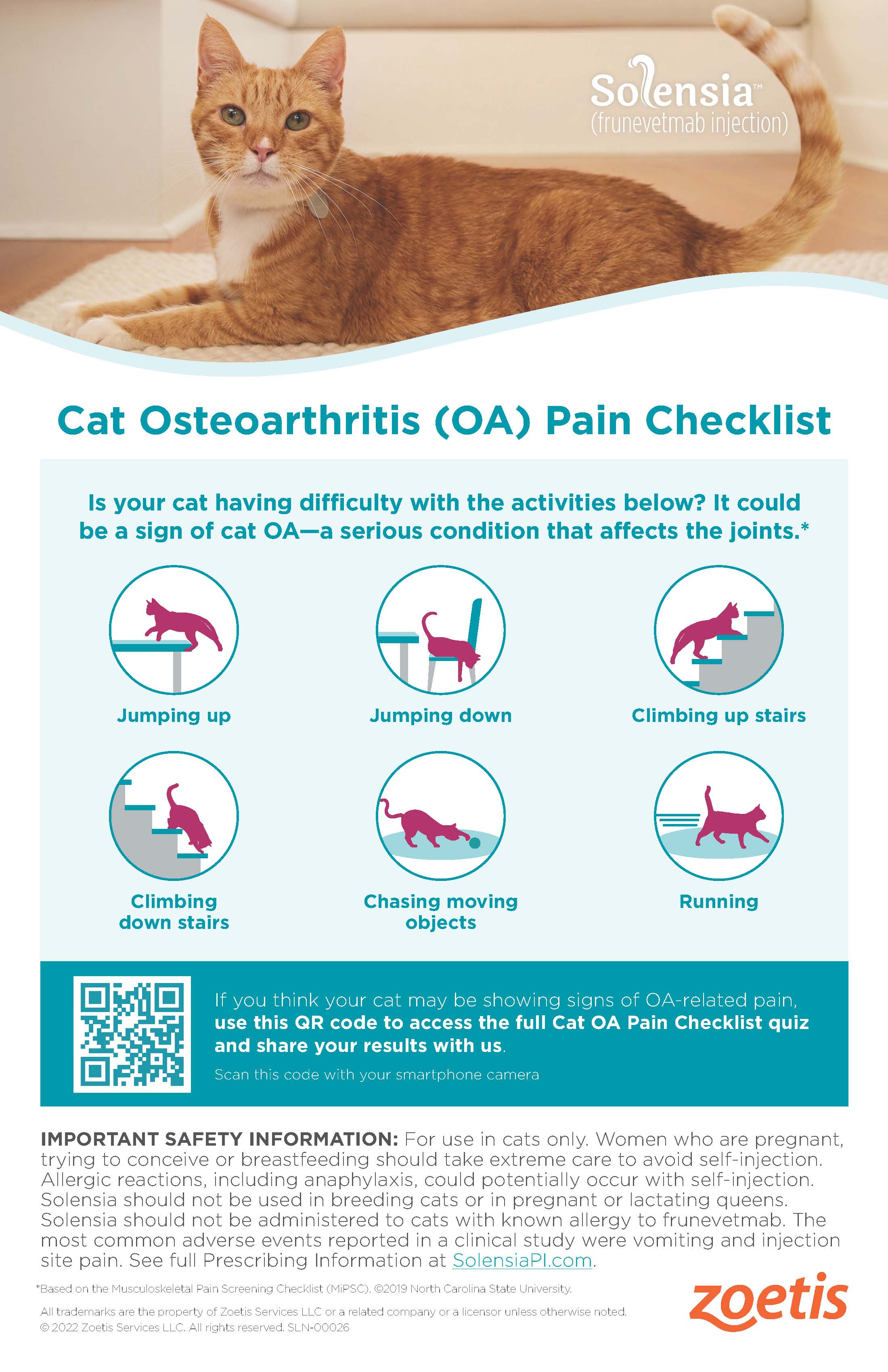
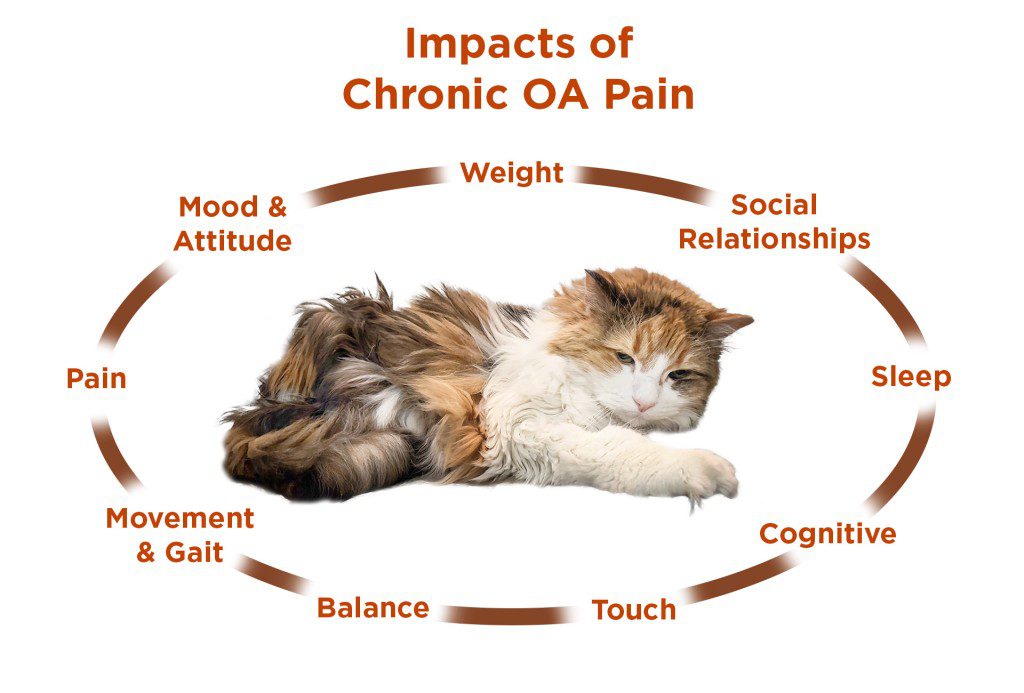
Clinician Assessment of Pain in Cats Evaluation of cats in the clinic for chronic pain can be difcult owing to changes in behavior that result from the visit itself; clinical assess-ment will be affected by the cats level of stress.
Discover the signs and symptoms indicating your older cat is in pain. Learn how to recognize discomfort, behavioral changes, and what care they need.

This particular example perfectly highlights why Chronic Pain Factors In Older Cats is so captivating.
Cats and dogs experience pain in many forms, from the obvious discomfort of acute injuries or surgery to the persistent, more challenging symptoms to identify of chronic conditions such as osteoarthritis. Pain may also result from injury, inflammation, or musculoskeletal disease.

Furthermore, visual representations like the one above help us fully grasp the concept of Chronic Pain Factors In Older Cats.
The perplexing situation of a cat limping without apparent pain can stem from several factors. The primary reason is that limping is a mechanical response to an underlying issue, not necessarily a direct indication of pain itself.
Moving forward, it's essential to keep these visual contexts in mind when discussing Chronic Pain Factors In Older Cats.
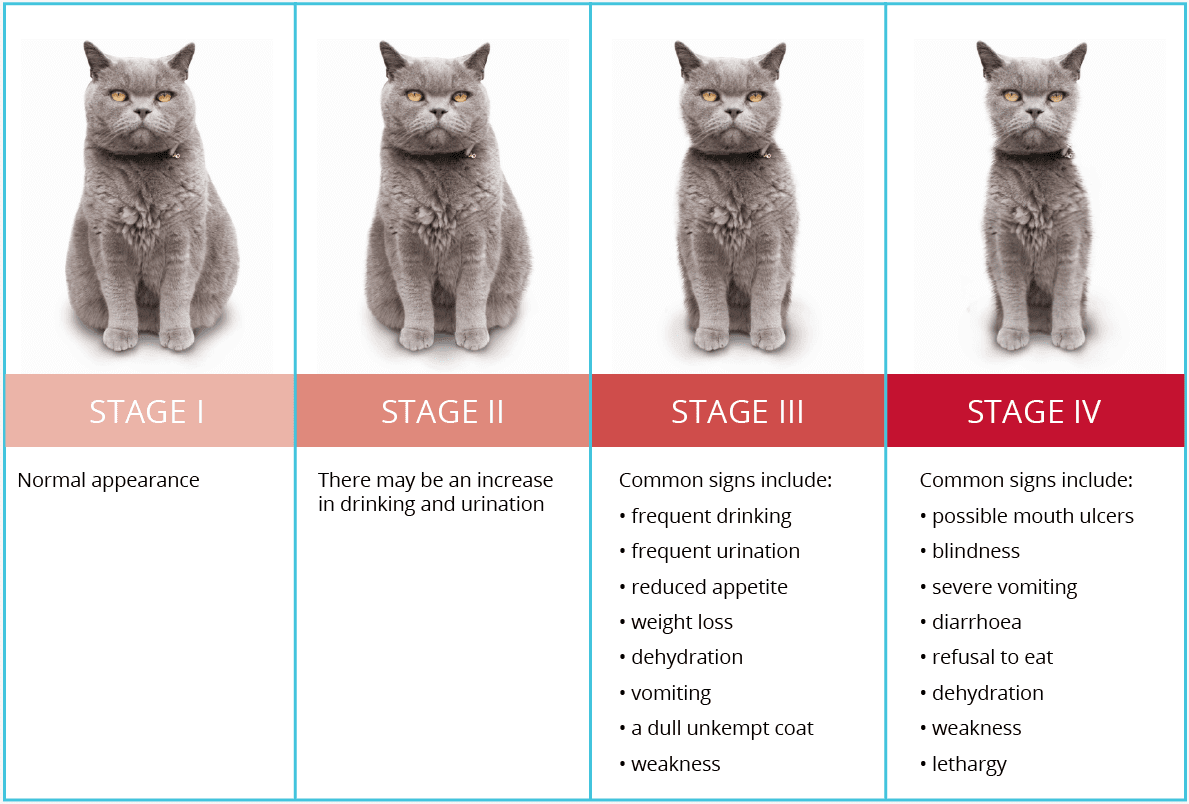
But in the treatment and later in life older cats are more threatened. This problem is very common in cats. Some of the causes are feline idiopathic cystitis, urinary tract obstruction, bladder stones and tumors and kidney diseases.Pain in urethra: Causes & Risk factors.
Arthritis is painful, and the longer that pain goes untreated, the worse it becomes. Cats with arthritis must see a veterinarian and receive effective and evidence-based treatment.